
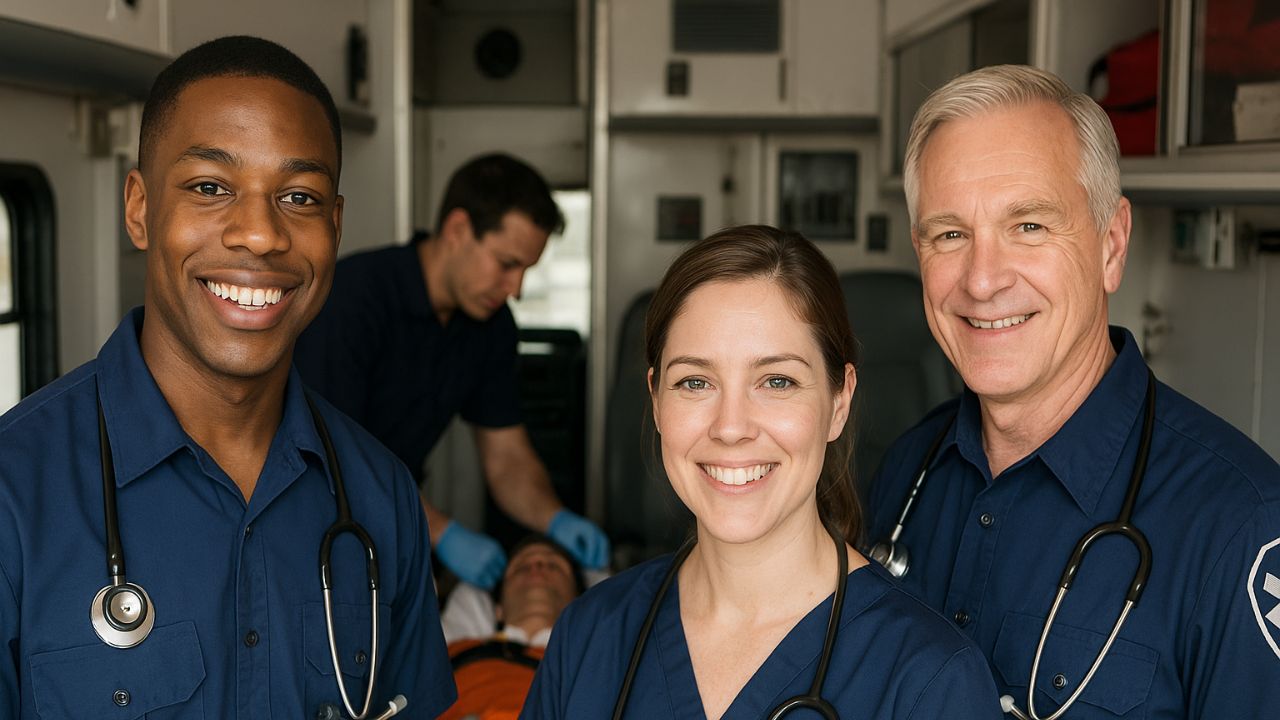
Paramedical Training – In today’s fast-evolving healthcare sector, a career in paramedical sciences offers stability, growth, and the chance to make a real difference in people’s lives. Paramedical professionals are in high demand across hospitals, diagnostic centers, research labs, and emergency response units, offering a wide range of roles from lab technicians to imaging specialists and physiotherapists. Pursuing paramedical training equips students with hands-on skills, medical knowledge, and practical exposure, ensuring they are ready for immediate employment upon completion. With India witnessing continuous growth in healthcare infrastructure, paramedical careers are no longer limited to urban hospitals; there is a growing need in rural healthcare centers and mobile medical units. This expanding job market offers attractive salaries, opportunities for specialization, and the possibility to contribute directly to patient care and community health.
Why Choose Recognized Paramedical Courses for a Secure Future
Choosing recognized paramedical courses is crucial for ensuring credibility, employability, and professional recognition. Accreditation from a reputed body validates the quality of education, teaching standards, and curriculum rigor. One such trusted authority is the Paramedical Council , which provides guidance, resources, and course approvals for aspiring paramedical professionals. Enrolling in certified programs ensures students gain industry-relevant skills and knowledge, preparing them for roles in diagnostics, emergency care, and clinical support. These programs focus not only on theoretical knowledge but also on extensive practical training, internships, and exposure to modern healthcare equipment. By choosing accredited courses, students open doors to recognized certifications, higher employability, and eligibility for government and private sector opportunities, making their career trajectory strong and reliable.

Scope and Opportunities in Paramedical Careers
The scope of paramedical careers in India and abroad is expansive and diverse. As hospitals and diagnostic centers grow, there is a constant demand for trained professionals such as medical laboratory technologists, radiographers, physiotherapists, emergency medical technicians, and anesthetic assistants. Additionally, specialized fields like dialysis technology, cardiac care, and clinical research are gaining prominence. Paramedical professionals can also work in telemedicine, public health programs, and medical research institutes. With growing healthcare awareness, government health schemes, and private healthcare expansion, paramedical professionals enjoy a combination of job security, competitive salaries, and opportunities to move into leadership roles or further studies in specialized medical sciences. Furthermore, continuous professional development courses and workshops help individuals stay updated with the latest advancements, ensuring sustained career growth.

Advantages of Hands-On Training and Practical Exposure
Paramedical education emphasizes practical skills and hands-on training, giving students confidence to handle real-world medical challenges. Laboratory work, patient care simulations, clinical internships, and exposure to diagnostic equipment help students gain in-depth understanding and experience. This practical approach ensures graduates are not only theoretically knowledgeable but also proficient in applying their skills in high-pressure environments. Practical training also nurtures critical thinking, decision-making, and problem-solving abilities, which are essential for paramedical professionals dealing with emergencies. Institutions affiliated with recognized authorities like the Paramedical Council of India ensure that training follows industry standards, maintains ethical practices, and provides opportunities for networking with healthcare professionals. Such exposure enhances employability and builds a professional portfolio that stands out to employers in competitive healthcare environments.
Building a Rewarding Career With Professional Recognition
Recognition from established paramedical councils or accreditation bodies is a significant advantage for students and professionals. Certifications and diplomas from recognized institutions serve as proof of competence and credibility, enhancing prospects for employment in hospitals, clinics, research labs, and emergency response teams. Professionals can also explore higher studies, pursue international opportunities, or engage in medical research with recognized credentials. A career in paramedical sciences not only offers financial stability but also emotional fulfillment, as professionals contribute to improving health outcomes, saving lives, and supporting communities. The combination of practical expertise, accredited training, and industry recognition ensures a strong career foundation, preparing students for diverse roles in the healthcare ecosystem while positioning them for long-term growth and professional achievement.